
Defining your brand: What it is and isn't, and why it matters
Jan. 5, 2018
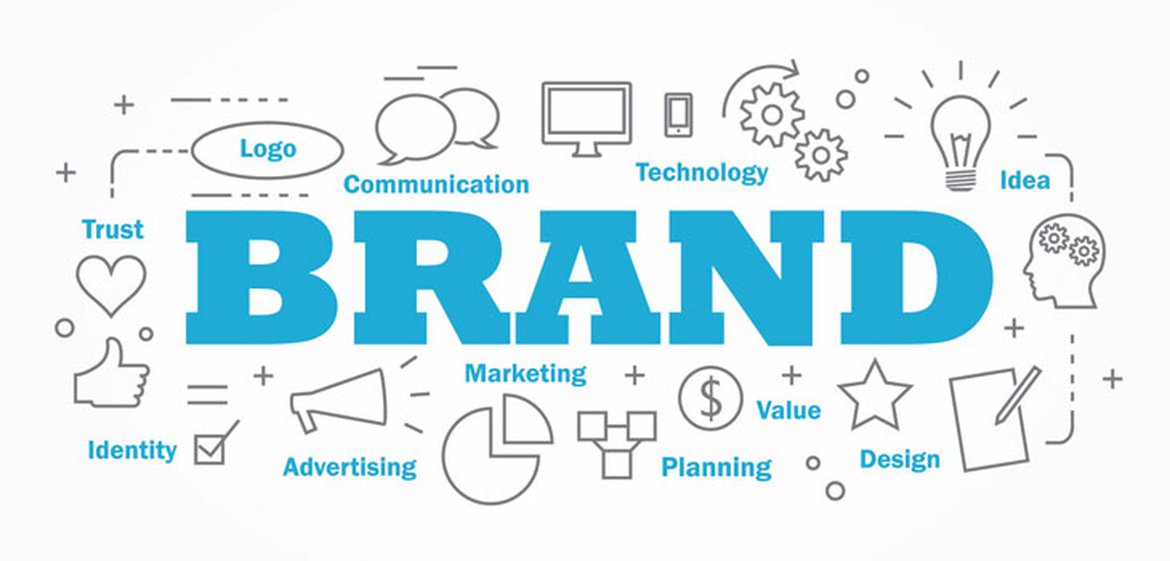
A brand is one of the most powerful assets an organization has. Yet, too often people give their brands short shrift. They think of their brand in terms that are too simple — as a logo, tag line, or statement of what their organization does.
While all these things must represent, and be true to, your brand, your brand is something more. It is more like your DNA, except, that unlike DNA, it’s actually intangible.
Yes, that makes it harder to define — but not impossible. You just have to dig a bit deeper and ask the right questions. Then, when you’ve figured it out — when you’re sure it’s true and authentic — you need to be willing to bake your brand into everything your organization does.
What is a brand?
Because “brand” is an intangible, it’s helpful to consider other words commonly used to refer to this elusive concept. In his excellent SlidesShare deck, The 9 Criteria for Brand Essence, Kirk Phillips lists several, including: soul, heart, mantra, promise, personality, and differentiator. Two other phrases that often resonate with people are “true north” and “rallying cry.”
Moving beyond these simple words and phrases, here are six of my favourite definitions of brand:
- A brand is a product, service, cause or organization with perceived intangible attributes. Kirk Phillips, The 9 Criteria for Brand Essence
- A brand is a person’s gut feeling about a product, service or company. Marty Neumeier, The Brand Gap
- A brand is a singular idea or concept that you own inside the mind of a prospect. Al Ries, Positioning: the Battle for Your Mind
- A brand is the intangible sum of a product’s attributes: its name, packaging, and price, its history, its reputation, and the way it’s advertised. David Ogilvy, On Advertising
- A brand is the set of expectations, memories, stories and relationships that, taken together, account for a consumer’s decision to choose one product or service over another. If the consumer (whether it’s a business, a buyer, a voter or a donor) doesn’t pay a premium, make a selection or spread the word, then no brand value exists for that consumer. Seth Godin, Linchpin
- Your brand is whatever your customers say it is. Charlene Li and Josh Bernoff, Groundswell
Each of these definitions points to the fact that brand is about perceived value; it involves a client or customer’s subjective assessment of their experience with the product or service.
Why is it important to define your brand?
There are three key reasons to define your brand:
- Your brand is what differentiates you from your competitors. Without a clear idea of your organization’s intrinsic quality — what it stands for — you are, as the branding experts point out, just a commodity.
- Brand positioning is the foundation on which you build your entire marketing and communications program. Once you’re crystal clear about your brand, you’ll find it easier to create supporting messages and visuals (for your website, brochures, advertising and proposals) that allow you to stand out from the crowd and communicate with your target audience in a clear, consistent and compelling way.
- The ultimate goal of branding is loyalty. You want clients and customers to keep coming back to you — and more importantly for business growth — to recommend your product or service to others. To quote Kirk Phillips again: “Loyalty results from having a series of consistent, singular and favourable brand experiences.” And, as James Kane, a leading researcher, writer and speaker on loyalty explains, loyalty doesn’t derive solely from the final outcome; clients become loyal because of how they are treated all along the way.
How do you define your brand essence?
The process I use to help organizations define their brand essence was shared with me by Tony Altilia and Jim McKenzie, two former ad agency CEOs.
With decades of experience defining and successfully championing brands all over the world, Altilia and McKenzie recommend a facilitated internal brand discovery process in which members of the organization ask themselves the following questions:
- Why do we do what we do? Why did we choose this profession?
- What is the highest order of need/benefit for your clients? How do clients feel when they are working with you?
- Who are you for? (i.e. what types of clients) What are the characteristics of the clients you like working with most?
- What makes you different?
- What are your roots?
- What are you like?
- What are your values?
- What do you fight for? (i.e. what is the one thing you won’t compromise on)
How do you put it all together?
With the answers to these questions, you can then craft a “Brand Positioning Statement.” This is an internal statement of who you are, what you stand for, and what makes you different.
The template looks like this:
For ...........................(target market)
COMPANY................(the brand)
is the........................(point of differentiation)
among all.................(frame of reference)
because....................(reason to believe)
For example, an engineering firm dedicated to green buildings might craft a positioning statement that reads like this:
For architects, developers and owners who focus on sustainability (target market)
“Green Engineers” (the brand)
is the most trusted partner (point of differentiation)
among all engineering firms (frame of reference)
because each one of our 25 engineers is a LEED, WELL, BPI and Green Advantage-accredited professional (reason to believe)
So you’ve defined your brand essence. What’s next?
Like a good business plan or marketing strategy, your brand positioning statement is definitely not something you should put on a shelf to collect dust.
As a promise of what clients, employees and partners can expect if they hire you, join your team, or partner with you, your brand positioning statement should be reflected in everything you do — from the way you answer the phone and sign your emails, to your tagline and other words and images you choose for your website and proposals.
Florida-based Cult Branding Company recommends listing all your brand’s touch points — every point of interaction with your client or customer — on a wall. Then, with a critical eye, ask: Does every touch point look, say, and feel like the brand we want our customers to perceive? How can we more fluidly communicate our brand’s desired position?
And don’t forget about your team. Your employees are crucial brand ambassadors. The final brand positioning statement, as well as the questions and answers from the brand discovery session, should be captured in an easy-to-share format and offered to both existing and prospective employees to help them truly understand the essence of your organization.
But remember, Rome wasn’t built in a day. Nor is a brand built overnight. As Kirk Phillips makes clear, branding generates long-term results but requires commitment to long-term strategy.
In other words, and to use another cliché (sorry, they just keep coming to mind!), it’s a marathon, not a sprint. The good news in this is that every step you take, however small, towards concretely delivering on your brand, is a step closer to firmly positioning your organization in your client’s mind.
Additional Reading
The 9 Criteria for Brand Essence
A logo is not a brand
How to Create Strong Brand Positioning in Your Market
Download Defining Your Brand in PDF format
Branding